Kitchen Cabinet Resurfacing: A Dramatic Transformation
Kitchens often serve as the central hub of a home, and their aesthetic appeal significantly impacts the overall ambiance and value of the property. Over time, kitchen cabinets can become worn, outdated, or simply no longer align with evolving design preferences. While a complete kitchen remodel can be a significant undertaking in terms of both cost and time, kitchen cabinet resurfacing offers a more streamlined and budget-friendly alternative to rejuvenate the space.
Kitchen cabinet resurfacing, also known as cabinet refacing, involves replacing the existing cabinet doors and drawer fronts while keeping the existing cabinet boxes intact. This allows homeowners to achieve a refreshed look without the extensive demolition and reconstruction associated with a full kitchen renovation. The transformation achieved through resurfacing can be dramatic, as evidenced by countless before-and-after examples.
The process typically begins with an assessment of the existing cabinet boxes to ensure they are structurally sound and in good condition. Any necessary repairs are addressed at this stage. The old doors, drawer fronts, hinges, and hardware are then removed. A veneer, often made of wood, laminate, or rigid thermofoil (RTF), is applied to the exposed surfaces of the cabinet boxes to match the new doors and drawer fronts. Finally, the new doors, drawer fronts, hardware, and any desired decorative elements are installed. The result is a kitchen that appears completely new, at a fraction of the cost and time of a full remodel.
Key Benefits of Kitchen Cabinet Resurfacing
Kitchen cabinet resurfacing presents several compelling advantages over a complete kitchen remodel, making it a popular choice for homeowners seeking to update their kitchens. These benefits include cost savings, time efficiency, and environmental considerations.
One of the most significant advantages is the
cost savings
. Resurfacing can often cost 50% to 70% less than completely replacing kitchen cabinets. This is because the existing cabinet boxes, which constitute a significant portion of the cost of a new kitchen, are retained. The savings can be substantial, freeing up funds for other home improvement projects or allowing homeowners to upgrade other aspects of their kitchen, such as countertops or appliances.Another notable benefit is the
time efficiency
of the process. Resurfacing typically takes only a few days to complete, compared to the weeks or even months required for a full kitchen remodel. This minimizes disruption to the household and allows homeowners to enjoy their updated kitchen much sooner. Furthermore, the project generates less mess and debris than a complete renovation, further reducing the inconvenience.Finally, resurfacing is a more
environmentally friendly
option. By reusing the existing cabinet boxes, less material ends up in landfills. This reduces the environmental impact associated with manufacturing new cabinets and disposing of old ones. The choice of materials for the veneer and new doors can also contribute to the sustainability of the project. Opting for materials like reclaimed wood or low-VOC finishes can further minimize the environmental footprint.Understanding the Resurfacing Process: A Step-by-Step Guide
A clear understanding of the resurfacing process can empower homeowners to make informed decisions and ensure a successful outcome. The process typically involves several key steps, from initial assessment to final installation.
The first step is the
initial assessment
. A professional will inspect the existing cabinets to determine if they are suitable for resurfacing. This involves checking the structural integrity of the cabinet boxes, assessing the condition of the hinges and hardware, and identifying any necessary repairs. If the cabinet boxes are damaged beyond repair, resurfacing may not be a viable option.Next comes the
design selection
. Homeowners will choose the style, color, and material for the new doors and drawer fronts. A wide range of options are available, from traditional wood styles to modern laminate finishes. The veneer for the cabinet boxes will be chosen to match the new doors and drawer fronts. Hardware, such as knobs and pulls, will also be selected at this stage.The
preparation phase
involves removing the old doors, drawer fronts, hinges, and hardware. The cabinet boxes are then thoroughly cleaned and sanded to ensure proper adhesion of the veneer. Any necessary repairs to the cabinet boxes are also completed at this time.The
veneering process
involves applying the chosen veneer to the exposed surfaces of the cabinet boxes. The veneer is typically applied with adhesive and then rolled or pressed to ensure a smooth and even finish. Excess veneer is trimmed, and edges are carefully sealed.Finally, the
installation phase
involves installing the new doors and drawer fronts, attaching the new hinges and hardware, and making any necessary adjustments. The finished result is a kitchen with a completely transformed appearance, achieved with minimal disruption and cost.Material Options for Kitchen Cabinet Resurfacing
The choice of materials plays a crucial role in the aesthetics, durability, and cost of kitchen cabinet resurfacing. Several materials are commonly used for both the veneer and the new doors and drawer fronts, each with its own unique advantages and disadvantages.
Wood veneer
offers a classic and timeless look. It is available in a wide variety of wood species, each with its own unique grain pattern and color. Wood veneer can be stained or painted to achieve a desired finish. It is a durable and long-lasting option, but it can be more expensive than other materials.Laminate
is a more affordable option that offers a wide range of colors, patterns, and textures. Laminate is durable, easy to clean, and resistant to stains and scratches. However, it may not have the same visual appeal as wood veneer and can be more susceptible to damage from heat and moisture.Rigid Thermofoil (RTF)
is a seamless, durable, and moisture-resistant material that is applied to doors and drawer fronts using heat and pressure. RTF offers a consistent color and finish and is easy to clean. It is a popular choice for modern and contemporary kitchen designs.Solid wood
doors and drawer fronts offer a high-end look and feel. They are durable, long-lasting, and can be easily repaired or refinished. However, solid wood can be more expensive than other options and may be susceptible to warping or cracking in humid environments.When selecting materials, it is important to consider your budget, design preferences, and lifestyle. A professional can help you weigh the pros and cons of each option and choose the materials that are best suited for your needs.
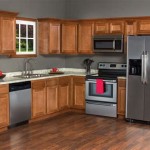
The transformation from outdated to updated kitchens through resurfacing is often striking. Before resurfacing, cabinets might show signs of wear and tear, have a dated style, or simply lack the desired aesthetic appeal. After resurfacing, the kitchen boasts a fresh, modern look with new doors, drawer fronts, and a cohesive finish. The difference can be significant, enhancing the overall value and enjoyment of the home.

Everything You Need To Know About Kitchen Cabinet Refacing

Mind Blowing Kitchen Cabinet Refacing Before And After Results In Just 3 Days

Kitchen Cabinet Refacing Review Why We Chose It For Our Home Kaitlin Madden

What Is Cabinet Refacing And Why Should I Consider It For My Home Kitchen Solvers

Kitchen Cabinet Reface Before And After Refacing Cabinets Refinish

Kitchen Cabinet Refacing Makeover A Homeowner S Experience

8 Kitchen Cabinet Refacing Before And After Projects

Amazing Kitchen Refacing Transformations With Before After Photos Cabinets And Resurfacing

Kitchen Cabinet Refacing By Improveit

Refinishing Vs Kitchen Refacing American Wood Reface
Related Posts